Posts tagged as:

Home Buyer Tips

WP_Query Object
(
    [query_vars] => Array
        (
            [tag] => home-buyer-tips
            [error] => 
            [m] => 0
            [p] => 0
            [post_parent] => 
            [subpost] => 
            [subpost_id] => 
            [attachment] => 
            [attachment_id] => 0
            [name] => 
            [static] => 
            [pagename] => 
            [page_id] => 0
            [second] => 
            [minute] => 
            [hour] => 
            [day] => 0
            [monthnum] => 0
            [year] => 0
            [w] => 0
            [category_name] => 
            [cat] => 
            [tag_id] => 259
            [author_name] => 
            [feed] => 
            [tb] => 
            [paged] => 0
            [comments_popup] => 
            [meta_key] => 
            [meta_value] => 
            [preview] => 
            [s] => 
            [sentence] => 
            [fields] => 
            [menu_order] => 
            [category__in] => Array
                (
                )

            [category__not_in] => Array
                (
                )

            [category__and] => Array
                (
                )

            [post__in] => Array
                (
                )

            [post__not_in] => Array
                (
                    [12] => 1037
                    [7] => 1041
                    [37] => 398
                    [134] => 1129
                    [133] => 1137
                    [151] => 1183
                    [159] => 1212
                    [163] => 1230
                    [23] => 1273
                    [21] => 1288
                    [177] => 1290
                    [178] => 1293
                    [179] => 1296
                    [28] => 1363
                    [210] => 1426
                    [38] => 1433
                    [40] => 1437
                    [39] => 1439
                    [41] => 1468
                    [82] => 1479
                    [95] => 1475
                    [44] => 1481
                    [10] => 1484
                    [22] => 1487
                    [48] => 1490
                    [47] => 1492
                    [51] => 1494
                    [50] => 1499
                    [46] => 1503
                    [108] => 1505
                    [17] => 1508
                    [219] => 1510
                    [220] => 1512
                    [221] => 1514
                    [225] => 1516
                    [223] => 1518
                    [222] => 1520
                    [226] => 1522
                    [224] => 1524
                    [241] => 1543
                    [240] => 1545
                    [242] => 1547
                    [243] => 1549
                    [3] => 1834
                    [26] => 1617
                    [16] => 119
                    [13] => 1773
                    [49] => 1497
                    [36] => 1435
                    [20] => 2034
                    [19] => 2091
                    [31] => 2151
                    [5] => 2185
                    [253] => 2831
                    [251] => 2833
                    [257] => 2835
                    [261] => 2838
                    [387] => 6752
                    [388] => 6760
                    [389] => 6847
                    [390] => 7000
                    [392] => 7124
                    [394] => 9030
                    [404] => 1463
                    [405] => 1460
                    [406] => 1456
                    [408] => 1453
                    [409] => 1449
                    [407] => 1446
                    [412] => 10408
                    [411] => 10410
                    [415] => 11326
                    [414] => 11428
                    [416] => 11342
                    [417] => 11357
                    [418] => 11366
                    [419] => 11405
                    [420] => 11380
                    [427] => 11564
                    [431] => 11560
                    [428] => 11558
                    [425] => 11574
                    [424] => 11568
                    [426] => 11570
                    [423] => 11674
                    [438] => 12427
                    [439] => 12400
                    [437] => 12303
                    [440] => 12301
                    [441] => 12356
                    [435] => 12342
                    [434] => 12278
                    [433] => 12251
                    [436] => 12441
                    [444] => 12600
                    [443] => 12580
                    [442] => 12542
                )

            [tag__in] => Array
                (
                )

            [tag__not_in] => Array
                (
                )

            [tag__and] => Array
                (
                )

            [tag_slug__in] => Array
                (
                    [0] => home-buyer-tips
                )

            [tag_slug__and] => Array
                (
                )

            [ignore_sticky_posts] => 
            [suppress_filters] => 
            [cache_results] => 1
            [update_post_term_cache] => 1
            [update_post_meta_cache] => 1
            [post_type] => 
            [posts_per_page] => 10
            [nopaging] => 
            [comments_per_page] => 50
            [no_found_rows] => 
            [order] => DESC
        )

    [tax_query] => WP_Tax_Query Object
        (
            [queries] => Array
                (
                    [0] => Array
                        (
                            [taxonomy] => post_tag
                            [terms] => Array
                                (
                                    [0] => home-buyer-tips
                                )

                            [include_children] => 1
                            [field] => slug
                            [operator] => IN
                        )

                )

            [relation] => AND
        )

    [meta_query] => WP_Meta_Query Object
        (
            [queries] => Array
                (
                )

            [relation] => 
        )

    [post_count] => 10
    [current_post] => -1
    [in_the_loop] => 
    [comment_count] => 0
    [current_comment] => -1
    [found_posts] => 16
    [max_num_pages] => 2
    [max_num_comment_pages] => 0
    [is_single] => 
    [is_preview] => 
    [is_page] => 
    [is_archive] => 1
    [is_date] => 
    [is_year] => 
    [is_month] => 
    [is_day] => 
    [is_time] => 
    [is_author] => 
    [is_category] => 
    [is_tag] => 1
    [is_tax] => 
    [is_search] => 
    [is_feed] => 
    [is_comment_feed] => 
    [is_trackback] => 
    [is_home] => 
    [is_404] => 
    [is_comments_popup] => 
    [is_paged] => 
    [is_admin] => 
    [is_attachment] => 
    [is_singular] => 
    [is_robots] => 
    [is_posts_page] => 
    [is_post_type_archive] => 
    [query_vars_hash] => ef020165cf4a7fc1ba3076c9d222f12c
    [query_vars_changed] => 1
    [thumbnails_cached] => 
    [query] => Array
        (
            [tag] => home-buyer-tips
        )

    [request] => SELECT SQL_CALC_FOUND_ROWS  wp_posts.ID FROM wp_posts  INNER JOIN wp_term_relationships ON (wp_posts.ID = wp_term_relationships.object_id) WHERE 1=1  AND wp_posts.ID NOT IN (1037,1041,398,1129,1137,1183,1212,1230,1273,1288,1290,1293,1296,1363,1426,1433,1437,1439,1468,1479,1475,1481,1484,1487,1490,1492,1494,1499,1503,1505,1508,1510,1512,1514,1516,1518,1520,1522,1524,1543,1545,1547,1549,1834,1617,119,1773,1497,1435,2034,2091,2151,2185,2831,2833,2835,2838,6752,6760,6847,7000,7124,9030,1463,1460,1456,1453,1449,1446,10408,10410,11326,11428,11342,11357,11366,11405,11380,11564,11560,11558,11574,11568,11570,11674,12427,12400,12303,12301,12356,12342,12278,12251,12441,12600,12580,12542) AND ( wp_term_relationships.term_taxonomy_id IN (264) ) AND wp_posts.post_type = 'post' AND (wp_posts.post_status = 'publish') GROUP BY wp_posts.ID ORDER BY wp_posts.post_date DESC LIMIT 0, 10
    [posts] => Array
        (
            [0] => WP_Post Object
                (
                    [ID] => 10261
                    [post_author] => 2
                    [post_date] => 2012-04-13 17:48:58
                    [post_date_gmt] => 2012-04-13 22:48:58
                    [post_content] => The last thing you’d expect to have to worry about when you buy a new kitchen or laundry appliance is whether the machine will catch fire or experience another major malfunction that endangers your home and family.  But serious safety defects, while still relatively rare, have become increasingly common with new appliances according to Consumer Reports.


In a recent exposé on the state of modern appliance manufacturing, the respected consumer watchdog group documents a slew of recent problems with new appliances including fires in dishwashers, dryers and microwaves, appliances starting on their own or failing to properly turn off, exploding glass doors on ovens, and refrigerator lights that stay on with the door shut, creating a surprising fire hazard.


Appliance fires a growing problem

Consumer Reports says that the Consumer Product Safety Commission found there have been more than 69,000 residential fires in the US from 2002 through 2009 in which an appliance was the proximate cause of the incident.

These blazes were directly attributable to a defect in the affected appliance.  The fires did not originate from human error, such as unattended cooking or failure to clear dryer lint, nor did they arise from natural causes such as storms or animals.

Why so many problem appliances?

The worrisome number of appliance fires due to product defects isn’t surprising, according to Andrea Gabor, a quality-management expert  quoted in the Consumer Reports article.  “We’ve seen a race to the bottom in terms of cheap parts and disposable products,” she says in the piece.

Here’s what Consumer Reports says lies behind America’s new appliance problems:

♦ Innovations in controls and function make today’s appliances more versatile and easier to use, but the added complexity is creating unexpected safety problems.


More intricate electronics in appliances lead to short circuits, electrical failures, and overheated wiring that start fires inside the unit.

♦ The increased fire risk that comes with design complexity is being exacerbated by fraud and short cuts by overseas manufacturers.


Consumer Reports says that US companies are losing control over the production of their products by using overseas manufacturing plants, primarily in China.  Chinese subcontractors and suppliers sometimes deviate from design specs without authorization.  They secretly substitute inferior materials and cut corners with the components.  This fraud heightens the risk of malfunctions that spark fires.

♦ To save cost and reduce weight, appliance designers have increasingly resorted to using flammable plastic parts in lieu of non-flammable metal.


Once the electrical components in an appliance catch fire, the fire feeds on all the plastic in the machine, fueling the blaze and spreading the fire throughout the appliance.  Even refrigerators now can present a serious fire risk.

How to avoid an appliance fire

Below are some steps identified by Consumer Reports to reduce your chances of having a fire in your home due to an appliance:

1. Check for recalls and consumer complaints before you buy

You can use a search engine such as Google, Yahoo or Bing to see if there have been complaints or recalls on the specific appliance brand and model you are considering buying.  But that might leave you open to oversight or error; your search might not pull up some important information.

To help you quickly identify troublesome appliances, the Federal government has created two very helpful websites you can use to find product safety recalls and access a central database of consumer reports of fires and other safety problems with a wide range of consumer products.

SaferProducts.gov


This site gives you access to complaints made by consumers about the appliances they own. Created in March 2011, the site posts consumer complaints after notifying the manufacturers involved and giving them a chance to respond. Thousands of complaints exist on the website, including more than 850 related to appliance fires.

Recalls.gov


This is an umbrella site that links to recalls of many types of products including vehicles, appliances and other consumer products, food, medicine, boats and cosmetics.  The site will send you to a variety of other sites maintained by agencies of the Federal government.  You’ll be taken to the FDA website for food and drug safety issues, the EPA website for recalls of environmental products and the Consumer Products Safety Commission website for consumer product recalls.  Navigation between the sites can be a bit cumbersome, but Recalls.gov is a very helpful clearinghouse site for recalls and problems affecting a very wide range of products.

2. Register new appliances

Consumer Reports states that few buyers of new appliances bother to register their purchase with the manufacturer. If you fill out and return the registration card, you should be notified promptly if a product is recalled. So be smart, register your purchases so you will know about safety recalls if they occur.

3. Be careful with the household appliances you own

Failing to clear lint from dryer hoses and vents and leaving cooking items unattended is a common way to have a fire. Don’t leave coffee brewers, microwaves, stoves, ovens and toasters on unsupervised.  Maybe think twice about running your dishwasher over night when you are asleep in bed.

Another smart move is to unplug small appliances such as re-chargers, coffee machines, blenders and toasters when they are not in use.  When you are out of the house for extended periods, you might want to unplug your TVs, computers and video equipment.

Please check online to see if any appliances you currently own (or are about to buy) have been recalled or are receiving complaints posted about them.  If you do your due diligence and use common sense when you use your appliances, you'll be doing everything you can to ensure the safety of your home and family!

Copyright ©2012 02038.com
                    [post_title] => How to avoid buying an appliance that's a fire risk
                    [post_excerpt] => 
                    [post_status] => publish
                    [comment_status] => open
                    [ping_status] => open
                    [post_password] => 
                    [post_name] => avoid-appliance-fire-risk
                    [to_ping] => 
                    [pinged] => 
                    [post_modified] => 2012-04-14 09:10:43
                    [post_modified_gmt] => 2012-04-14 14:10:43
                    [post_content_filtered] => 
                    [post_parent] => 0
                    [guid] => http://www.02038.com/?p=10261
                    [menu_order] => 0
                    [post_type] => post
                    [post_mime_type] => 
                    [comment_count] => 1
                    [filter] => raw
                    [post_category] => 0
                )

            [1] => WP_Post Object
                (
                    [ID] => 9038
                    [post_author] => 2
                    [post_date] => 2011-11-26 15:14:56
                    [post_date_gmt] => 2011-11-26 20:14:56
                    [post_content] => Here’s your chance to be one of the first to visit Warren’s new Facebook page!   “Moving West of Boston” is all about helping you get the most out of living in the vibrant suburbs west of Boston.


Whether you've lived in the region for years or are just in the early stages of relocating to MA, this Facebook page has something for you.

What can you get for . . .?

From  a $3 million+ home in Sherborn to a $300,000 split level in Hopkinton, see exactly what your money will buy right now in some of the most popular towns west of Boston . . . in real time!


If you’re thinking of moving or just want to have fun looking at dream homes, click here or on the image above to see how much home you can get west of Boston.

How’s the MA real estate market?

Keep up on current events in MA real estate and national economic trends affecting the value of your home by clicking here or on the image below:


You’ll see exclusive content and lots of charts and graphs created by Warren to help you better understand what the future may hold for what is likely your most important personal investment: your home.

Fun activities west of Boston 

Looking for interesting things to do west of Boston?  Click here or on the image below to sample interesting area events and activities that prove why so many people love living west of Boston.


Explore why Massachusetts is a very special place and how the region west of Boston has a lot to offer just about everyone!

Like the page to get updates

Please take the opportunity to like Warren’s Facebook page:


It’s an easy way to get updates from Warren.  He promises to make it worth your while – thank you!

Copyright ©2011 02038.com
                    [post_title] => New Facebook page by Warren Reynolds
                    [post_excerpt] => 
                    [post_status] => publish
                    [comment_status] => open
                    [ping_status] => open
                    [post_password] => 
                    [post_name] => new-facebook-warren-reynolds
                    [to_ping] => 
                    [pinged] => 
                    [post_modified] => 2011-11-26 15:14:56
                    [post_modified_gmt] => 2011-11-26 20:14:56
                    [post_content_filtered] => 
                    [post_parent] => 0
                    [guid] => http://www.02038.com/?p=9038
                    [menu_order] => 0
                    [post_type] => post
                    [post_mime_type] => 
                    [comment_count] => 0
                    [filter] => raw
                    [post_category] => 0
                )

            [2] => WP_Post Object
                (
                    [ID] => 8705
                    [post_author] => 2
                    [post_date] => 2011-10-27 18:50:17
                    [post_date_gmt] => 2011-10-27 23:50:17
                    [post_content] => A very promising future for America in the 21st Century may be taking shape, at least if some surprising trends play out as some are predicting.

better future

Another American Century?

The Telegraph Media Group of the UK just published an interesting article on why we may all soon be reaping the benefits of a radically improving competitive position for the US in the world economy.

telegraph

The article is a well worth reading.  Below are summaries of the key points made in the piece:

US energy imports may fall sharply

The huge outflows of dollars from the US to buy Middle East oil – a depressing staple of American economics since the 1970s – may end by mid-decade.  If we could keep that money home, there would be profound benefits to the US economy.

This may become a reality due to new oil extraction techniques that are opening immense oil shale fields in the US to production.

oil shale in US

You can read more about the Bakken fields here.  There's even a large shale oil field in Ohio!

There are also huge amounts of  natural gas in US shale deposits.  These supplies have been coming into production with a lot more on the way.  Because of this, natural gas prices have dropped significantly over the last three years and US manufacturing is  just now experiencing the economic benefits.

shale gas

The US is now the top producer of natural gas in the world.  We are looking at soon becoming a major EXPORTER of natural gas - what a profound (and beneficial) change!

Manufacturing renaissance in US

America is poised to add 2 to 3 million jobs in the next 5 years as manufacturing returns to the US according to a new report by the Boston Consulting Group.  Manufacturing jobs are being "re-shored" back to the US from overseas in increasing numbers as the costs of production keep rising in China and other offshore manufacturing centers.

manufacturing to return to US

You can download the full report by clicking here or on the image above.

America is making some high quality products these days; we recently bought a Ford Focus SEL 5 door automobile and love it!

ford focus

You can help this trend by buying American-made products as much as you can.  This can be hard to do, but well worth the effort in terms of creating a better economy for all of us.

ABC News has created a website to help you buy American.

Low fertility rates will hurt the economies of other industrial nations

New research is exposing a fundamental weakness in China, Japan and most European nations: demographics.

fertility rate

Low birth rates have put China and many other economic competitors of the US on a disastrous demographic path towards an aged population.  These economies may soon lack enough young workers to support all their upcoming retirees.

The US birth rate while declining is not nearly as low as China's and Japan's.  Demographics will help America compete in the world economy and grow its way out of its current debt problems as the 21st Century unfolds.

So there are seemingly many good reasons for optimism about your economic future as Americans - the current difficulties will end and better times are coming!

Copyright ©2011 02038.com
                    [post_title] => Why good times may be ahead for America
                    [post_excerpt] => 
                    [post_status] => publish
                    [comment_status] => open
                    [ping_status] => open
                    [post_password] => 
                    [post_name] => why-good-times-may-be-ahead-for-america
                    [to_ping] => 
                    [pinged] => 
                    [post_modified] => 2011-12-22 07:26:44
                    [post_modified_gmt] => 2011-12-22 12:26:44
                    [post_content_filtered] => 
                    [post_parent] => 0
                    [guid] => http://www.02038.com/?p=8705
                    [menu_order] => 0
                    [post_type] => post
                    [post_mime_type] => 
                    [comment_count] => 0
                    [filter] => raw
                    [post_category] => 0
                )

            [3] => WP_Post Object
                (
                    [ID] => 7857
                    [post_author] => 2
                    [post_date] => 2011-05-11 16:52:28
                    [post_date_gmt] => 2011-05-11 21:52:28
                    [post_content] => You might have missed recent news reports detailing positive developments in the Massachusetts economy. This good news has been easy to miss because so much of the news media’s focus over the past few weeks has been on the royal wedding, the death of Osama Bin Laden and continued gloomy reports on the US housing market.

The encouraging local economic trends may have been easily overlooked, but they provide good reason for you to feel optimistic about your financial future in Massachusetts.

Dow up 80% from 2009 lows

Back at the absolute stock market lows of November 2008 – March 2009, there was lots of panic selling by retirees and those nearing retirement who “couldn’t afford lose it all.”

dow jones 2009 - 2011

Think of how many of those people must be suffering severe regrets now that the Dow is up so much.  And think of how good you’d be feeling today if you had bought stock in February or March 2009!

The rising stock market may be signaling better times ahead for the U.S. economy - such strong stock market rises often do.

Stock profits raising Massachusetts tax receipts

Surging stock prices and an improving local economy have led to a big rise in tax receipts for Massachusetts this year.

MA tax collections soar april 2011

Quoting from the news report:

“In a sign of the growing economy, state Revenue Commissioner Navjeet K. Bal on Tuesday announced that for the fiscal year to date, tax collections total $16.860 billion, up $1.927 billion, or 12.9 percent, from last year, and $732 million more than projections.”

MA economy growing at twice the national rate

The Bay State economy is picking up steam in 2011.  More business activity should start helping the local job market, further bolstering tax receipts and consumer spending.

Below are excerpts from several reports on this:

ma economy 2011

“Massachusetts' economic growth surged ahead of the overall United States in the first quarter of 2011, buoyed by the state's technology-intensive industries, a report said on Thursday.  The real gross state product grew at an annual estimated rate of 4.2 percent, more than double the national economy's expansion of 1.8 percent, said the study by MassBenchmarks, a quarterly journal published by the University of Massachusetts."

ma economy high tech 2011

"A new report says the Massachusetts economy expanded more than twice as fast as the nation's as a whole in the first quarter of the year, driven largely by the technology sector.

The University of Massachusetts report released Thursday said global demand for technology products and increased business spending on software and equipment have provided a boost for the state."

ma eco doing well

"This past month, the University of Massachusetts' MassBenchmarks journal showed the Bay State is doing very well, thank you, as it ships its tech wares across the globe, including various software and equipment. The state's so-called "growth premium," says the journal, "appears largely to be a function of the strength of the Massachusetts innovation economy that, unlike in recent recessions, helped buffer Massachusetts from the 'Great Recession' and has been a growing driver during the recovery period."

MA business confidence rises

Confidence among MA businesses has risen to its highest level since 2007, reflecting improving conditions in the Bay State.

MA business confidence up

Quoting from the article:

"Associated Industries of Massachusetts Business Confidence Index was 56.1 points in April, up 2.1 points from 54 points in March. Associated Industries plots business confidence on a scale of 1 to 100 where 50 is neutral and anything greater than 50 is positive."

Putting this all together - time to invest?

The good economic news should perhaps spur you to consider smart  contrarian investing to take advantage of the pessimistic sentiment  about real estate so prevalent during these times of continued  uncertainty.

Contrarian investing is a time-honored way to build investment profits by buying when negativity predominates and selling when others are overly enthusiastic about buying.

Take the stock market: the time to buy was February and March 2009 when everyone was saying "sell", the Dow was at its lows and pessimism was rampant.

Stocks have had a such a strong run-up, so instead of chasing stocks, look at real estate in MA while the market is still weak.

MA home prices certainly are down.  And the local economy is continuing to improve.

How about buying an inexpensive condo or multi-family home as an investment property?  If you're not ready to be a landlord, perhaps now's a good time to trade up to a better home.

Contact Warren to learn more!

Copyright ©2011 02038.com
                    [post_title] => Good news on MA economy you may not have heard
                    [post_excerpt] => 
                    [post_status] => publish
                    [comment_status] => open
                    [ping_status] => open
                    [post_password] => 
                    [post_name] => good-news-on-ma-economy-you-may-not-have-heard
                    [to_ping] => 
                    [pinged] => 
                    [post_modified] => 2013-04-13 10:29:56
                    [post_modified_gmt] => 2013-04-13 15:29:56
                    [post_content_filtered] => 
                    [post_parent] => 0
                    [guid] => http://www.02038.com/?p=7857
                    [menu_order] => 0
                    [post_type] => post
                    [post_mime_type] => 
                    [comment_count] => 0
                    [filter] => raw
                    [post_category] => 0
                )

            [4] => WP_Post Object
                (
                    [ID] => 6699
                    [post_author] => 2
                    [post_date] => 2010-12-29 08:32:08
                    [post_date_gmt] => 2010-12-29 13:32:08
                    [post_content] => In choosing which city or town in which to live, many prospective home buyers don’t analyze one important demographic: the educational achievements of the community’s residents. In fact, home buyers can use a community’s percentage of college graduates as a sort of a shortcut to making a better home buying decision.

Why live in one of the best educated communities?

Buying a home where better educated people live can increase the likelihood of your being happy with your new home. That’s because there are lots of social and economic advantages associated with a highly educated populace.

graduation college

Sociologists and economists generally agree about the many benefits of a highly educated population.  These positives include a more productive workforce, lower crime rates, greater affluence, and a healthier socioeconomic environment.

How to discover a community’s educational achievements?

Your job has gotten a lot easier.  There’s a slew of new, easily-available census data on the educational achievements of residents in every city and town across the US.

This information has just been published as part of the US Census Bureau’s American Community Survey.

Massachusetts is tops in education

A recent news article reporting on the publication of the new American Community Survey data had this to say about where MA ranks in terms of the best educated population:

“The data shows the Bay State at the top of the pack nationally in its percentage of college graduates, with 38 percent of residents over 25 holding a bachelor's degree or higher. The national average is 27.5 percent. Only Washington, D.C., ranked higher than Massachusetts.”

Middlesex and Norfolk Counties the best educated in MA

Within Massachusetts, the American Community Survey data on education highlights Middlesex and Norfolk Counties as having the highest concentration of college educated inhabitants.

MA County percent residents with college degree 2009 data

So Massachusetts home buyers would do well to focus their home search on cities and towns in Norfolk and Middlesex counties.

There certainly are highly educated communities in other MA counties, but in terms of sheer numbers of college educated residents, Middlesex and Norfolk Counties clearly are the leaders.

Franklin, MA a stand-out

In Norfolk County, the Town of Franklin in Norfolk County merits particular attention because of its attractive combination of highly educated residents and affordable home prices.

Franklin ranks well in the American Community Survey data among other top MA communities (both within and outside of Norfolk County) in terms of the percentage of residents holding at least a college degree.

Franklin MA percent residents with college degree 2009 data

This places Franklin, Massachusetts on par with Wrentham (47.9% of residents aged 25+ with a college degree) and Walpole (47.3%) and above such prestigious area towns as Norfolk (40.8%) and Foxboro (42.4%).

Only highly affluent (and expensive in terms of home prices) Metro West communities such as Hopkinton and Medfield greatly out-paced Franklin with respect to a highly educated populace.

Take a closer look at Franklin, Massachusetts

Map of Franklin MA

Franklin, Massachusetts offers affordable home prices, great schools, easy access to major commuter linkages, and plentiful, world-class shopping.

So when you are considering where to buy a home, look at the educational achievements of local residents.  That will give you a good lead to the best areas to make your home investment!

Copyright ©2010 02038.com
                    [post_title] => Why buy a home where the highly educated live
                    [post_excerpt] => 
                    [post_status] => publish
                    [comment_status] => open
                    [ping_status] => open
                    [post_password] => 
                    [post_name] => why-buy-a-home-where-the-highly-educated-live
                    [to_ping] => 
                    [pinged] => 
                    [post_modified] => 2010-12-29 12:32:11
                    [post_modified_gmt] => 2010-12-29 17:32:11
                    [post_content_filtered] => 
                    [post_parent] => 0
                    [guid] => http://www.02038.com/?p=6699
                    [menu_order] => 0
                    [post_type] => post
                    [post_mime_type] => 
                    [comment_count] => 0
                    [filter] => raw
                    [post_category] => 0
                )

            [5] => WP_Post Object
                (
                    [ID] => 6420
                    [post_author] => 2
                    [post_date] => 2010-10-19 11:48:42
                    [post_date_gmt] => 2010-10-19 16:48:42
                    [post_content] => If you’re thinking of buying a home or refinancing your current mortgage, you may have a once in a lifetime opportunity!  30 year fixed rate mortgages have reached shockingly new lows.  Mortgage rates are so low now that they may justify your taking on mortgage debt in a strategic move to lock in today’s minuscule rates for years to come.

Short term view of mortgage rates misleading

The recent decline in mortgage rates does not look so dramatic when viewed over the short term:

Mortgage Rates June 2010 - October 2010

Rate drop compelling when put in context

But take a longer term view of mortgage rates and you’ll immediate see why today’s rates deserve careful consideration on a strategic level:

Mortgage Rates Jan 1999 - Sep 2010

From 2003 through 2008, mortgage rates stayed in a narrow range of approximately 5.7% - 6.25%

Towards the end of 2008, mortgage rates began their historic decline as the economy flirted with a catastrophic new depression.

30 year fixed rate mortgages  broke decisively below 6% in November 2008 and stood at 5.05% in January 2009.  Over a 17% drop in mortgage rates in just two months!

New round of declines

It wasn’t until recently that mortgage rates moved markedly lower.  It is this new round of mortgage rate declines that creates the real opportunity available to you today.

According to Freddie Mac, the average rate for a 30 year fixed rate mortgage loan stood at 5.1% in April, 2010.  When the two Federal home buyer tax credits expired at the end of April, demand for homes hid the skids and mortgage rates turned lower as well.

The average rate for a 30 year mortgage hit 4.35% last September and now stands today at only 4.19%, another 17% drop in mortgage rates since last April!

First time home buyers

If you are looking at buying your first home, the recent collapse in mortgage rates makes buying a home this fall seem especially compelling.  Strategically, now appears to be a golden opportunity for you to buy a home at a ridiculously low mortgage rate.

The mistake to avoid is to assume that mortgage rates will remain low for months to come.  They may well do that, but rates do tend to move quickly with new economic data.

There are signs the national economy is getting better.  A mortgage rate spike in coming months is not out of the question.

So look at the strategic opportunity to buy a home this fall and get a 30 year mortgage at a previously unheard of low rate.

Home owners with equity

If you currently own a home with appreciable equity, you might want to consider borrowing more on the home.

I know this may sound risky.  This is certainly not a move that anyone should take without careful consideration.

But on a very elemental level it makes sense to at least look at increasing your mortgage debt at a time of historically low mortgage interest rates.  This seems especially valid if you would use the newly borrowed funds to pay off credit card balances, car loans or other high-rate debts you owe.

Obviously, a financial and tax adviser would be able to help you decide whether this is right for you, but pulling some of equity out of your property at today’s historically low mortgage rates seems attractive if your employment status is stable.

Copyright ©2010 02038.com
                    [post_title] => Compelling reason to borrow money now?
                    [post_excerpt] => 
                    [post_status] => publish
                    [comment_status] => open
                    [ping_status] => open
                    [post_password] => 
                    [post_name] => compelling-reason-to-borrow-money-now
                    [to_ping] => 
                    [pinged] => 
                    [post_modified] => 2010-10-19 11:48:42
                    [post_modified_gmt] => 2010-10-19 16:48:42
                    [post_content_filtered] => 
                    [post_parent] => 0
                    [guid] => http://www.02038.com/?p=6420
                    [menu_order] => 0
                    [post_type] => post
                    [post_mime_type] => 
                    [comment_count] => 3
                    [filter] => raw
                    [post_category] => 0
                )

            [6] => WP_Post Object
                (
                    [ID] => 6297
                    [post_author] => 2
                    [post_date] => 2010-09-30 06:49:10
                    [post_date_gmt] => 2010-09-30 11:49:10
                    [post_content] => In keeping with the approach of Halloween and the fall’s increasingly dark and dreary weather, we may soon see a lot of gloomy (and possibly even downright frightening) headlines about the real estate market this fall.

scary ghosts

Real estate news headlines to get scary?

We already have been treated to some scary monthly home sale headlines this summer.

Real estate news this fall seems likely to be downbeat.  In fact, the spate of bad real estate news may extend into 2011 as well.

Good time to buy a home in MA?

However, this negativity is coming against the backdrop of generally positive economic news on both the local and national level.

The Massachusetts economy is adding jobs.  Even nationally, there’s no more talk of another recession.

And mortgage rates are historically low.

So while the economy is still not fully healed and there are plenty of people still hurting, there is a very good case to be made for home buyers and investors to simply ignore the negative real estate news headlines you may be seeing this fall.  This fall may present a unique home buying opportunity in Massachusetts that you would be very wise not to miss.

In fact, this fall may be the ideal time to buy a home or investment property precisely because of what looks to be an upcoming run of scary real estate news reports!

Why real estate news may get so bad?

Each month, local and national home sale statistics are released by quite a number of businesses and real estate trade organizations (including the National Association of Realtors®).

real estate news

The reports often compare home sales for the month just ended to data for the same month during the prior year.

Current home sales look bad compared to last year

Last year at this time the real estate market was very active because of  the then-looming expiration of  the Federal first time home buyer tax credit.

The credit was set to expire on November 30, 2009, so first time home buyers were snapping up homes last fall in a rush to beat the deadline.

land rush

So monthly real estate reports for the rest of this year will be comparing late 2010 home sales to the vibrant home sales completed back in late 2009.

These reports will make the late 2010 market activity look really bad on a comparative basis.

Problem will not end with 2010

2009’s home buying rush didn’t end in 2009 – it actually continued well into 2010.

Instead of being allowed to expire at the end of November 2009, the first time home buyer tax credit was extended by the Federal government to April 30, 2010.

A second tax credit was also created for existing homeowners that used the same April 2010 deadline

The two home buyer tax credits induced even more buyers to buy homes in early 2010; there was an even bigger rush to buy before April 30, 2010.

So from now through April 2011, we are likely to have monthly real estate reports that make current monthly home sale volume look bad in comparison to the home sale crush of 2009 - 2010 created by the home buyer tax credits.

Last year’s home sales stolen from today’s market

The problem we face in today’s Massachusetts real estate market is compounded by the fact that current conditions have been made weaker on an absolute basis by the unintended consequences of the Federal government’s intervention in the market via the home buyer tax credits of 2009 - 2010.

The home buyer tax credits were intended to help stimulate home sales.  But in hindsight, the credits simply accelerated many home buying decisions.

Home purchasers bought earlier than they otherwise would have in order to qualify for the tax credits.

accelerated home purchase demand

Instead of buying a home in mid to late 2010, they bought in 2009 or early in 2010.

This was great in late 2009 and early 2010, but now that forward shift in demand has made today’s market a lot weaker.  The tax credits in effect stole buyers and home sales from our market today.

This lull will not last forever as new buyers will enter the market over the coming months, replenishing the natural reservoir of home buying demand.  But the current lull is a factor in today's market that needs to be recognized.  It's something that smart buyers can take advantage of this fall!

Double whammy

So we now face a double whammy: not only will home sales over the next several months look bad compared to monthly sale totals from 12 months ago, but this fall’s market is also facing a temporary sales lull artificially created by the tax credits’ ballooning homes sales in late 2009 and early 2010 by draining demand from the second half of 2010.

Bad news and artificial demand lull make now a good time to buy?

Here's the case for ignoring the bad real estate news headlines of later 2010 and buying a home or investment property now.

If you did not buy a home during the home buyer tax credit frenzy of 2009 – 2010 you are in luck.

You can take advantage of the artificial lull in activity that is affecting the fall 2010 market.

The upcoming round of bad real estate news headlines may deter some buyers who won’t understand where the bad news is coming from.

This fall seems an ideal time to buy real estate.

The MA economy is recovering, albeit slowly.  Home prices are down.  There’s less competition from other buyers.  Motivated home sellers may have to cut deals to get their homes sold.

And mortgage rates are really, really low.

Acting now to buy that home or investment property is a smart move!

You may find yourself in 5 or 10 years saying “I can’t believe I paid so little for the house back in 2010!”

Copyright ©2010 02038.com
                    [post_title] => Why you should ignore today’s negative real estate headlines and buy now
                    [post_excerpt] => 
                    [post_status] => publish
                    [comment_status] => open
                    [ping_status] => open
                    [post_password] => 
                    [post_name] => why-ignore-negative-real-estate-headlines
                    [to_ping] => 
                    [pinged] => 
                    [post_modified] => 2010-09-30 18:55:47
                    [post_modified_gmt] => 2010-09-30 23:55:47
                    [post_content_filtered] => 
                    [post_parent] => 0
                    [guid] => http://www.02038.com/?p=6297
                    [menu_order] => 0
                    [post_type] => post
                    [post_mime_type] => 
                    [comment_count] => 0
                    [filter] => raw
                    [post_category] => 0
                )

            [7] => WP_Post Object
                (
                    [ID] => 6108
                    [post_author] => 2
                    [post_date] => 2010-08-22 11:24:58
                    [post_date_gmt] => 2010-08-22 16:24:58
                    [post_content] => Many homes for sale in Massachusetts come with kitchens that feature beautiful granite countertops perched on low quality cabinets.  You might be surprised to know that even homes in the $600,000 - $900,000 price bracket often offer glitzy kitchen countertops that mask potential cabinet problems below.

beautiful kitchens massachusetts

Look beyond the countertop

So if you’re in the market to buy a home – or are thinking about renovating the kitchen or baths in your current residence – you need to know what to look for to spot true cabinet quality.

Since the National Kitchen and Bath Association estimates that roughly half of the cost of a new kitchen (70% including labor) is allocated to cabinets, it’s important to be an informed consumer whether you’re looking at a home to buy or walking through a kitchen design showroom.

Quick short cuts to judge quality

What we’ll cover in this post are simple short cuts you can use to quickly ascertain the quality of cabinets in kitchens and baths.

The video below will help you understand what to look for when you are examining cabinets in any kitchen or bathroom:


Highlights from video

We’ll review below the most important points from the video:

kitchen cabinets - bad finish

Look for signs of wear and deterioration on “high traffic” areas around door fronts and drawer pulls.

Scratches, abrasion and worn areas are signs of a cheap finish.

Avoid fake wood surfaces

kitchen cabinets - photo simulated wood grain

The cheapest cabinets use photo-simulated wood grain and paper thin laminates to create the impression of real wood.

These can chip and flake away over time, exposing the press board below.

Drawer construction

kitchen cabinets - stapled drawers

Low quality cabinets have drawers that are stapled or glued together.

kitchen cabinets - dovetailed drawers

Better drawer joinery uses dovetailing.

Drawer slides

kitchen cabinets - low quality drawer glides

Another sign of lower quality drawer construction is flimsy metal drawer slides.

kitchen cabinets - dovetailed drawers - better quality glides

Look instead for heavy gauge steel slides with ball bearings.

The best of these are full-extension slides with a self-closing feature.

More information

If you want to read up on the subject, there are some very detailed resources available on the web.

Here are links to a few that are especially helpful:

Judging kitchen cabinet quality

Buying kitchen cabinets

Getting the best kitchen cabinets

Copyright ©2010 02038.com
                    [post_title] => How to spot kitchen cabinet quality
                    [post_excerpt] => 
                    [post_status] => publish
                    [comment_status] => open
                    [ping_status] => open
                    [post_password] => 
                    [post_name] => kitchen-cabinet-quality
                    [to_ping] => 
                    [pinged] => 
                    [post_modified] => 2010-08-22 11:27:58
                    [post_modified_gmt] => 2010-08-22 16:27:58
                    [post_content_filtered] => 
                    [post_parent] => 0
                    [guid] => http://www.02038.com/?p=6108
                    [menu_order] => 0
                    [post_type] => post
                    [post_mime_type] => 
                    [comment_count] => 0
                    [filter] => raw
                    [post_category] => 0
                )

            [8] => WP_Post Object
                (
                    [ID] => 4252
                    [post_author] => 2
                    [post_date] => 2009-09-24 14:24:50
                    [post_date_gmt] => 2009-09-24 19:24:50
                    [post_content] => You’ve finally found a home for sale in Massachusetts you really like.  Your next step is to make an offer; but before you can, you need to know what price to bid on the home!

If you're like most buyers, your home is the largest single investment of your life.  So you may be a bit nervous and feel uncertain as to exactly how much to offer on that home of your dreams. 

nego price home for sale MA - 1

 Should you offer asking price - or maybe even over asking?  How about a large percentage below asking, expecting a counter from the seller?  Or perhaps you should offer somewhere in between those extremes?

How can you know what is the right price to offer on a home for sale in MA – not too high but not too low either?

How to determine what to offer

In deciding how much to offer on a home, you need answers to two fundamental questions about the Massachusetts home you’re thinking of buying.

Your answers to these two questions will go a long way towards telling you what (and perhaps when) to bid on the property. 

We’ll review in this post how to get answers to the first question.  A subsequent post will cover how to go about answering the second question.

First question: is the home seller’s asking price on-target?

 nego price home for sale MA - 2

There are three ways to analyze whether a home seller's asking price is reasonable or inflated.

It may be most effective to employ all 3 methods to determine whether the seller’s asking price is realistic or way above market value. 

Use an on-line home value estimation website

There are literally 100s of Internet sites offering over-the-net home value estimates.   Some are just stealth sites seeking to capture and sell your name and contact information as a “lead” to hungry mortgage brokers and real estate agents.

nego price home for sale MA - 3

Other sites legitimately seek to help you identify real estate market values.  But I’ve personally seen some of these sites make large errors in their home value estimates. 

Zillow.com seems to be one of the most comprehensive home valuation sites.  Zillow.com is attractive, fun to use and has lots of assessor and registry of deeds information and community demographic data.

However, Zillow.com warns that the accuracy of its on-line home value estimates is limited.  Zillow admits to a 10% range of error in its value estimate.   Bear in mind that they may do better on some homes, but do worse on others.  That’s not a good situation if you planned on relying solely on the instant value estimate to decide what price to bid in an offer on a home for sale.

Here's the big flaw with all instant, over-the-internet home valuation services: these home value estimates are not created by someone who’s physically been inside the home being evaluated.  

nego price home for sale MA - 4

Get the inside story 

Knowing local home values yourself is the best way to know what to offer on a home for sale in Massachusetts (MA).  You need to develop an "eye for real estate market value."

nego price home for sale MA - 5

Your goal in developing your own “eye for real estate market value” is to gain a good understanding of which homes sell quickly and why.  You also want to be able to spot the homes that will likely fail to find a buyer and sit unsold on the market until the price comes down.

Getting inside a lot of homes for sale is the best way to develop an eye for local market value.  By seeing the insides of homes for sale, you’ll begin to know values in your target price range.

nego price home for sale MA - 6
Physically getting inside a lot of homes can take some time and is quite a bit of work.  Some buyers simply do not have the time to tour many homes. 

But if touring homes is right for you, the effort may pay off big for you when you find a home you want to buy.

How to get inside homes for sale in Massachusetts (MA) without pressure to buy quickly

Find a good Realtor® who will show you homes for sale without pressuring you quickly buy a home. 

A big mistake some buyers make is to try to work with several real estate agents at the same time. 

nego price home for sale MA - 7

Resist the temptation to "play the field" - don't forget that loyalty runs both ways!

Commit to one knowledgeable agent you’re comfortable with who’ll commit to you and sincerely promote your best interests as a home buyer.   Someone who won't pressure you to buy one of the first few homes you tour.

Once you have an eye for local home values, you should be able to judge pretty rapidly if a home seems priced right and is worthy of an offer at or near asking or if the home appears overpriced and deserving of a low offer.

Have your agent prepare a comparable market analysis (CMA) for the home

[caption id="attachment_4275" align="alignnone" width="300" caption="Comparable Market Analysis"]nego price home for sale MA - 9[/caption]

Two heads generally are better than one.  Even if you think you know the local market cold, ask your agent to prepare a comparable market analysis (CMA) for the home you are thinking of buying.

In essence you’re asking your agent to show you the going price for homes in the neighborhood or community similar to the one you are considering purchasing.

Your agent will use “comps” (recent sales of local properties roughly similar to the home) to document the likely market value of the home.

If the CMA done by your agent is in sync with your take on the home’s value based on your knowledge of the local market, and the on-line estimate you got is in rough agreement, you’ll have a very reliable idea of what to offer.

In the next post in this 2 part series on how to get a good price on a home for sale in Massachusetts (MA), we'll review how to get leverage in price negotiations with the home seller.

Copyright ©2009 02038.com
                    [post_title] => How to get a good price on a home for sale in Massachusetts (MA) - part 1
                    [post_excerpt] => 
                    [post_status] => publish
                    [comment_status] => open
                    [ping_status] => open
                    [post_password] => 
                    [post_name] => get-good-price-on-home-for-sale-massachusetts-part-1
                    [to_ping] => 
                    [pinged] => 
                    [post_modified] => 2009-09-24 15:04:48
                    [post_modified_gmt] => 2009-09-24 20:04:48
                    [post_content_filtered] => 
                    [post_parent] => 0
                    [guid] => http://www.02038.com/?p=4252
                    [menu_order] => 0
                    [post_type] => post
                    [post_mime_type] => 
                    [comment_count] => 0
                    [filter] => raw
                    [post_category] => 0
                )

            [9] => WP_Post Object
                (
                    [ID] => 3072
                    [post_author] => 2
                    [post_date] => 2009-03-13 15:02:41
                    [post_date_gmt] => 2009-03-13 20:02:41
                    [post_content] => Buyers will occasionally ask me whether they can make an offer of 20%, 30% or even 40% less than a listing’s asking price.  The expectation is that a motivated seller will take almost any price to get a property sold.

great-home-deal

Many low-offer buyers seem sincere in their intent. And they are often astonished when the seller refuses to negotiate with them.

If you are considering making a very low offer, please keep in mind that while home prices in Massachusetts are down, conditions in MA are not nearly as bad as they are in heavily damaged markets in Florida, California and Nevada.

The very low home selling prices in other parts of the US you may be hearing about on the national news are not the norm in Massachusetts.

There are other compelling financial and practical reasons why home sellers reject very low offers.

no-sale
Financial Reasons Why Sellers Say “No” to Low Offers  
• Low Equity The vast majority of home sellers carry mortgages.  Many sellers have low home equity.  They often want a high enough price to cover their mortgage and the expenses of selling. They simply lack the equity to pay off their mortgage liens at a selling price 20% or 30% off the asking price.
• “Negative Equity” Where a homeowner is in financial distress and owes more on a property than the home is worth, he may try a short sale. But with short sales, the mortgage lien holder(s) can veto the sale.  The lenders often will not consent to a sale at a steep discount off the asking price.   I recently had a short sale listing where one buyer offered 17% off asking while another buyer offered 36% off asking; the lender involved turned both of these buyers down flat. If you make a heavily discounted offer on a short sale, you might waste weeks waiting to see if the lender will approve the sale, only to be told “no”. • Bank-owned “REO” listings When a lender forecloses on a home, the property is placed on the market as a REO (bank owned) listing. REO lenders have a strong financial incentive to maximize the selling price on homes they own.  At least in the regional real estate market surrounding Franklin, MA, I have not seen REO lenders willing to sell at steep discounts off asking price.  The REO listing history shown below is from an actual listing on the MLS and is pretty typical: reo-price-history When a bank-owned REO property does not sell quickly, the REO lender often will start a series of asking price reductions over time until the house does find a buyer, but that price reduction process can take months.  The REO price history shown above details how the REO lender listed the home at $237,900 on November 13, 2008.  It took the lender several months to finally reduce the asking price down to $179,900, the price at which the home eventually went under agreement. Making an offer well below asking on a REO property typically will not work in Massachusetts, at least in more desirable communities! Practical Reasons Most Sellers Reject Very Low Offers There are many home sellers in Massachusetts who are not in financial distress. Quite a few of them have substantial equity in their homes. You’ll very likely find that even home sellers with good equity won’t typically deal with offers substantially below asking price, at least not early in the life of the listing. Sellers with equity often need to buy another home with the sale proceeds or have other plans for the money.  Selling at a huge discount off asking price would deny these sellers the cash to consummate their next home purchase or achieve their other goals. These sellers often lack the desire to negotiate low offers. So in conclusion, the typical home buyer in Massachusetts should not have the expectation that offers 20%, 30% or more off asking price will be productive.

Copyright ©2009 02038.com

[post_title] => Low Offers: Why They Don’t Work [post_excerpt] => [post_status] => publish [comment_status] => closed [ping_status] => closed [post_password] => [post_name] => low-offers-don%e2%80%99t-work [to_ping] => [pinged] => [post_modified] => 2009-03-13 15:38:54 [post_modified_gmt] => 2009-03-13 20:38:54 [post_content_filtered] => [post_parent] => 0 [guid] => http://www.02038.com/?p=3072 [menu_order] => 0 [post_type] => post [post_mime_type] => [comment_count] => 0 [filter] => raw [post_category] => 0 ) ) [post] => WP_Post Object ( [ID] => 10261 [post_author] => 2 [post_date] => 2012-04-13 17:48:58 [post_date_gmt] => 2012-04-13 22:48:58 [post_content] => The last thing you’d expect to have to worry about when you buy a new kitchen or laundry appliance is whether the machine will catch fire or experience another major malfunction that endangers your home and family.  But serious safety defects, while still relatively rare, have become increasingly common with new appliances according to Consumer Reports. In a recent exposé on the state of modern appliance manufacturing, the respected consumer watchdog group documents a slew of recent problems with new appliances including fires in dishwashers, dryers and microwaves, appliances starting on their own or failing to properly turn off, exploding glass doors on ovens, and refrigerator lights that stay on with the door shut, creating a surprising fire hazard. Appliance fires a growing problem Consumer Reports says that the Consumer Product Safety Commission found there have been more than 69,000 residential fires in the US from 2002 through 2009 in which an appliance was the proximate cause of the incident. These blazes were directly attributable to a defect in the affected appliance.  The fires did not originate from human error, such as unattended cooking or failure to clear dryer lint, nor did they arise from natural causes such as storms or animals. Why so many problem appliances? The worrisome number of appliance fires due to product defects isn’t surprising, according to Andrea Gabor, a quality-management expert  quoted in the Consumer Reports article.  “We’ve seen a race to the bottom in terms of cheap parts and disposable products,” she says in the piece. Here’s what Consumer Reports says lies behind America’s new appliance problems: ♦ Innovations in controls and function make today’s appliances more versatile and easier to use, but the added complexity is creating unexpected safety problems. More intricate electronics in appliances lead to short circuits, electrical failures, and overheated wiring that start fires inside the unit. ♦ The increased fire risk that comes with design complexity is being exacerbated by fraud and short cuts by overseas manufacturers. Consumer Reports says that US companies are losing control over the production of their products by using overseas manufacturing plants, primarily in China.  Chinese subcontractors and suppliers sometimes deviate from design specs without authorization.  They secretly substitute inferior materials and cut corners with the components.  This fraud heightens the risk of malfunctions that spark fires. ♦ To save cost and reduce weight, appliance designers have increasingly resorted to using flammable plastic parts in lieu of non-flammable metal. Once the electrical components in an appliance catch fire, the fire feeds on all the plastic in the machine, fueling the blaze and spreading the fire throughout the appliance.  Even refrigerators now can present a serious fire risk. How to avoid an appliance fire Below are some steps identified by Consumer Reports to reduce your chances of having a fire in your home due to an appliance: 1. Check for recalls and consumer complaints before you buy You can use a search engine such as Google, Yahoo or Bing to see if there have been complaints or recalls on the specific appliance brand and model you are considering buying.  But that might leave you open to oversight or error; your search might not pull up some important information. To help you quickly identify troublesome appliances, the Federal government has created two very helpful websites you can use to find product safety recalls and access a central database of consumer reports of fires and other safety problems with a wide range of consumer products. SaferProducts.gov This site gives you access to complaints made by consumers about the appliances they own. Created in March 2011, the site posts consumer complaints after notifying the manufacturers involved and giving them a chance to respond. Thousands of complaints exist on the website, including more than 850 related to appliance fires. Recalls.gov This is an umbrella site that links to recalls of many types of products including vehicles, appliances and other consumer products, food, medicine, boats and cosmetics.  The site will send you to a variety of other sites maintained by agencies of the Federal government.  You’ll be taken to the FDA website for food and drug safety issues, the EPA website for recalls of environmental products and the Consumer Products Safety Commission website for consumer product recalls.  Navigation between the sites can be a bit cumbersome, but Recalls.gov is a very helpful clearinghouse site for recalls and problems affecting a very wide range of products. 2. Register new appliances Consumer Reports states that few buyers of new appliances bother to register their purchase with the manufacturer. If you fill out and return the registration card, you should be notified promptly if a product is recalled. So be smart, register your purchases so you will know about safety recalls if they occur. 3. Be careful with the household appliances you own Failing to clear lint from dryer hoses and vents and leaving cooking items unattended is a common way to have a fire. Don’t leave coffee brewers, microwaves, stoves, ovens and toasters on unsupervised.  Maybe think twice about running your dishwasher over night when you are asleep in bed. Another smart move is to unplug small appliances such as re-chargers, coffee machines, blenders and toasters when they are not in use.  When you are out of the house for extended periods, you might want to unplug your TVs, computers and video equipment. Please check online to see if any appliances you currently own (or are about to buy) have been recalled or are receiving complaints posted about them.  If you do your due diligence and use common sense when you use your appliances, you'll be doing everything you can to ensure the safety of your home and family! Copyright ©2012 02038.com [post_title] => How to avoid buying an appliance that's a fire risk [post_excerpt] => [post_status] => publish [comment_status] => open [ping_status] => open [post_password] => [post_name] => avoid-appliance-fire-risk [to_ping] => [pinged] => [post_modified] => 2012-04-14 09:10:43 [post_modified_gmt] => 2012-04-14 14:10:43 [post_content_filtered] => [post_parent] => 0 [guid] => http://www.02038.com/?p=10261 [menu_order] => 0 [post_type] => post [post_mime_type] => [comment_count] => 1 [filter] => raw [post_category] => 0 ) [queried_object] => stdClass Object ( [term_id] => 259 [name] => Home Buyer Tips [slug] => home-buyer-tips [term_group] => 0 [term_order] => 0 [term_taxonomy_id] => 264 [taxonomy] => post_tag [description] => [parent] => 0 [count] => 16 ) [queried_object_id] => 259 )

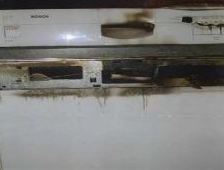
How to avoid buying an appliance that’s a fire risk

by Warren Reynolds on April 13, 2012

The last thing you’d expect to have to worry about when you buy a new kitchen or laundry appliance is whether the machine will catch fire or experience another major malfunction that endangers your home and family.  But serious safety defects, while still relatively rare, have become increasingly common with new appliances according to Consumer [...]

{ 1 comment }

New Facebook page by Warren Reynolds

by Warren Reynolds on November 26, 2011

Here’s your chance to be one of the first to visit Warren’s new Facebook page!   “Moving West of Boston” is all about helping you get the most out of living in the vibrant suburbs west of Boston. Whether you’ve lived in the region for years or are just in the early stages of relocating to [...]

{ 0 comments }

Why good times may be ahead for America

by Warren Reynolds on October 27, 2011

A very promising future for America in the 21st Century may be taking shape, at least if some surprising trends play out as some are predicting. Another American Century? The Telegraph Media Group of the UK just published an interesting article on why we may all soon be reaping the benefits of a radically improving [...]

{ 0 comments }

Good news on MA economy you may not have heard

by Warren Reynolds on May 11, 2011

You might have missed recent news reports detailing positive developments in the Massachusetts economy. This good news has been easy to miss because so much of the news media’s focus over the past few weeks has been on the royal wedding, the death of Osama Bin Laden and continued gloomy reports on the US housing [...]

{ 0 comments }

Why buy a home where the highly educated live

by Warren Reynolds on December 29, 2010

In choosing which city or town in which to live, many prospective home buyers don’t analyze one important demographic: the educational achievements of the community’s residents. In fact, home buyers can use a community’s percentage of college graduates as a sort of a shortcut to making a better home buying decision. Why live in one [...]

{ 0 comments }

Compelling reason to borrow money now?

by Warren Reynolds on October 19, 2010

If you’re thinking of buying a home or refinancing your current mortgage, you may have a once in a lifetime opportunity!  30 year fixed rate mortgages have reached shockingly new lows.  Mortgage rates are so low now that they may justify your taking on mortgage debt in a strategic move to lock in today’s minuscule [...]

{ 3 comments }

In keeping with the approach of Halloween and the fall’s increasingly dark and dreary weather, we may soon see a lot of gloomy (and possibly even downright frightening) headlines about the real estate market this fall. Real estate news headlines to get scary? We already have been treated to some scary monthly home sale headlines [...]

{ 0 comments }

How to spot kitchen cabinet quality

by Warren Reynolds on August 22, 2010

Many homes for sale in Massachusetts come with kitchens that feature beautiful granite countertops perched on low quality cabinets.  You might be surprised to know that even homes in the $600,000 – $900,000 price bracket often offer glitzy kitchen countertops that mask potential cabinet problems below. Look beyond the countertop So if you’re in the [...]

{ 0 comments }

You’ve finally found a home for sale in Massachusetts you really like.  Your next step is to make an offer; but before you can, you need to know what price to bid on the home! If you’re like most buyers, your home is the largest single investment of your life.  So you may be a [...]

{ 0 comments }

Low Offers: Why They Don’t Work

by Warren Reynolds on March 13, 2009

Buyers will occasionally ask me whether they can make an offer of 20%, 30% or even 40% less than a listing’s asking price.  The expectation is that a motivated seller will take almost any price to get a property sold. Many low-offer buyers seem sincere in their intent. And they are often astonished when the [...]